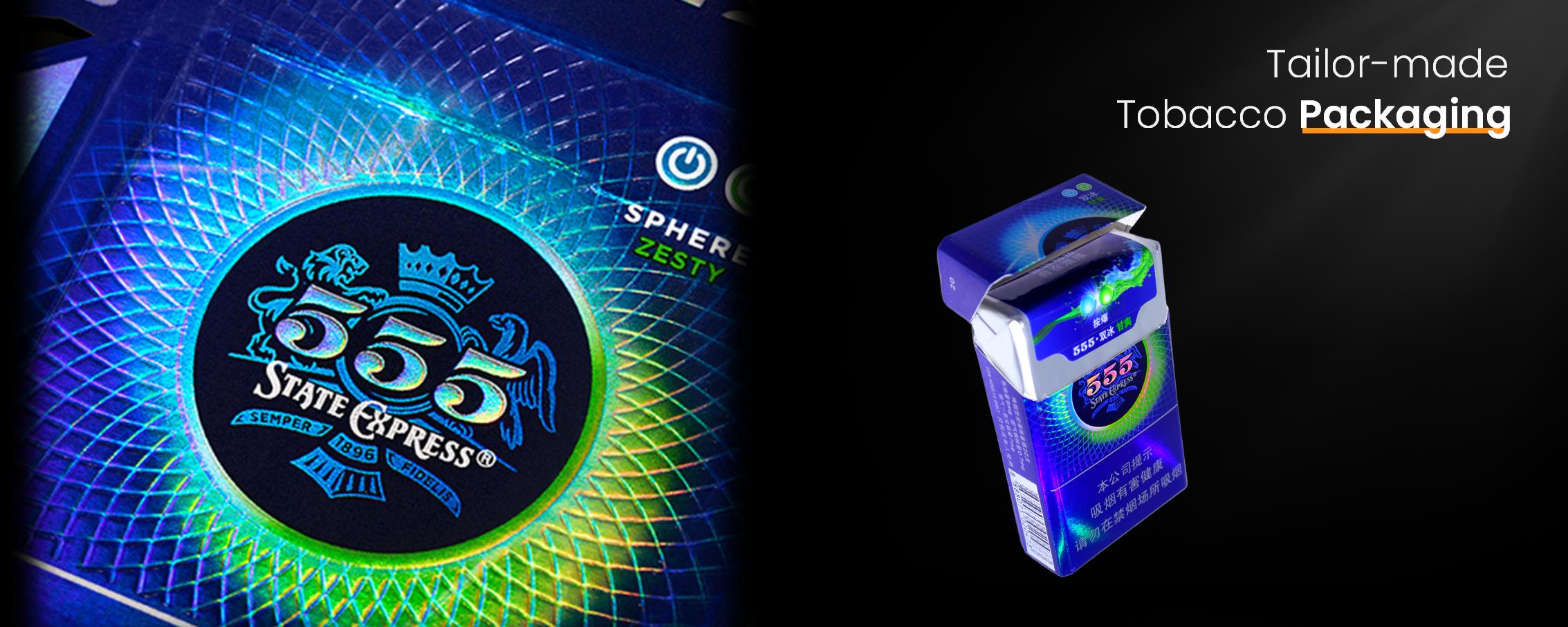
The Visual Totem: Packaging as a Brand's Living History
Every legendary brand tells its story through its canvas. A brand’s packaging evolution is not merely a change in aesthetics; it is a masterclass in global brand engineering.Take the iconic State Express 555, born in London in 1896. For over a century, its packaging shifts have mirrored the grander movements of global commerce:
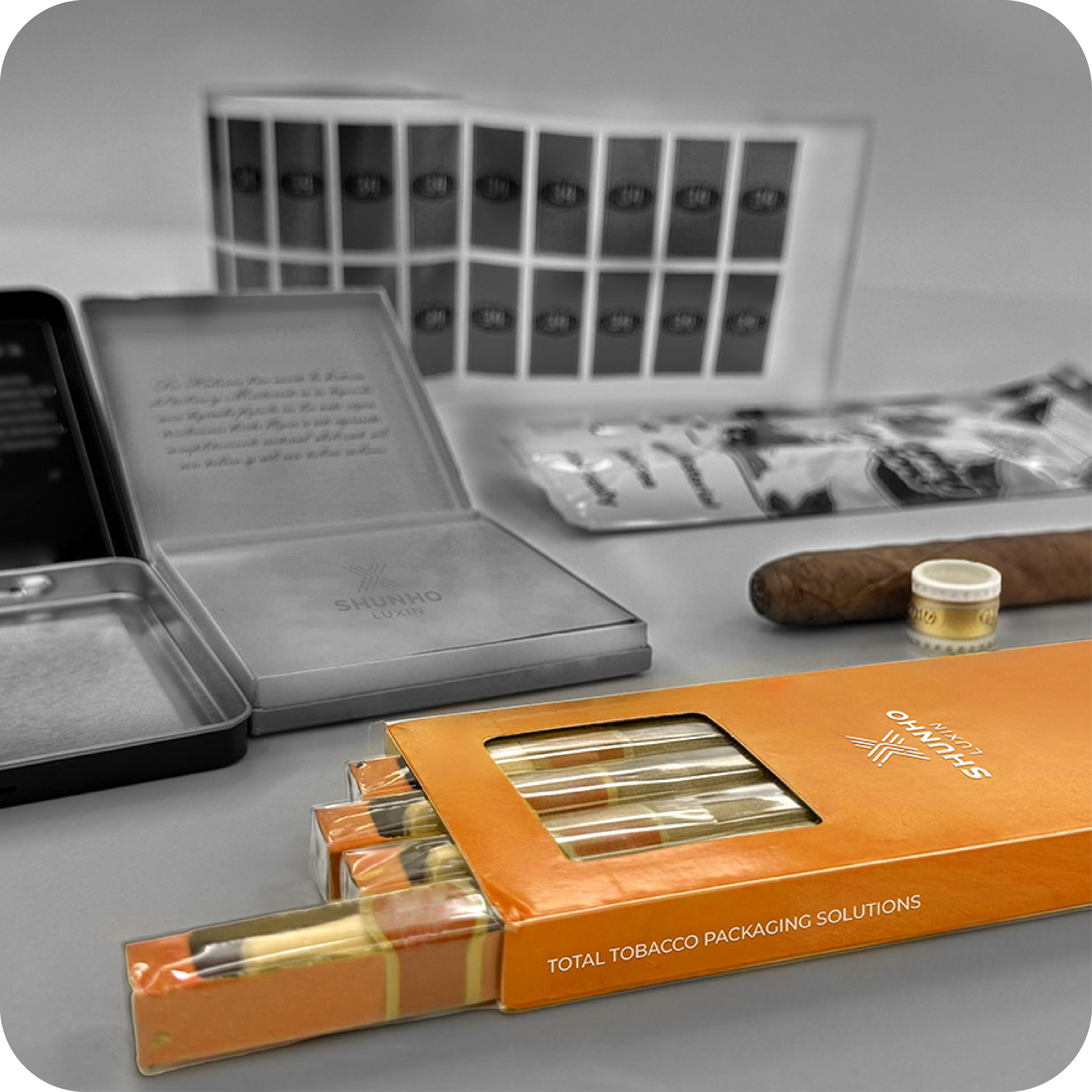
The 1900s (The Age of Maritime Trade): The brand utilized vacuum-sealed metal tins to shield precious tobacco from moisture and ruin during long ocean voyages—a definitive promise of pristine quality.
The 1950s (The Rise of Modern Branding): The birth of the legendary Navy Blue & Gold paperboard card. This precise color combination became a worldwide "Visual Hammer," carving out an instant, recognizable identity in the minds of global consumers.
The 2000s (The Anti-Counterfeiting Era): The integration of micro-structures and high-gloss multi-dimensional finishes. These were designed not just to captivate consumers with premium "shelf-pop," but to act as high-tech shields against global counterfeiting networks.
Historically, premium packaging has never been just a container. It is the moat guarding a brand's heritage—the physical manifestation of luxury, prestige, and authenticity.
The Green Storm: The "Plastic Dilemma" of Traditional Premium Packaging
For decades, achieving that coveted, mirror-like metallic sheen meant relying on paper-plastic laminates (such as PET/BOPP film). It was the only standard industry method to give luxury boxes their reflective depth and premium weight.However, the era of plastic-dependent packaging is coming to an abrupt end.With sweeping international regulations like the EU’s Packaging and Packaging Waste Regulation (PPWR) looming over the market, the global packaging industry faces an unyielding ultimatum: Adapt immediately, or get left behind.For heritage brands with centuries of accumulated prestige, a critical paradox emerges:How do you transition to a 100% plastic-free model without losing a single drop of your hard-earned luxury appeal?
Compromising on visual impact for the sake of sustainability is a non-starter; it risks stripping a legacy brand of its very soul.
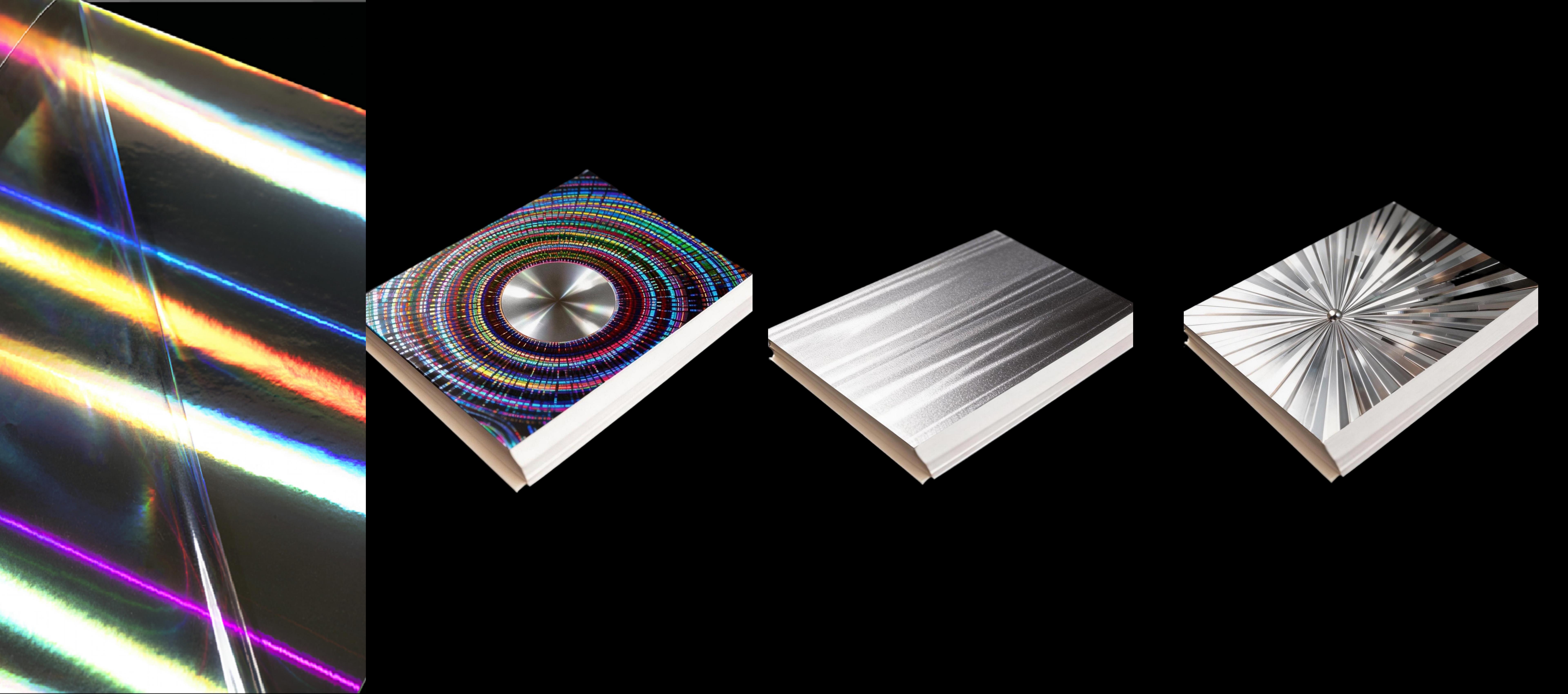
III. TransMet® Technology: The Film-Free Solution to the Eco-Luxury Equation
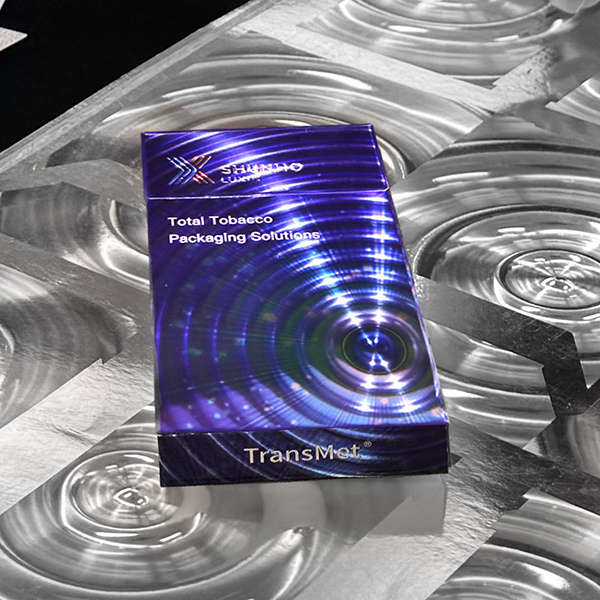
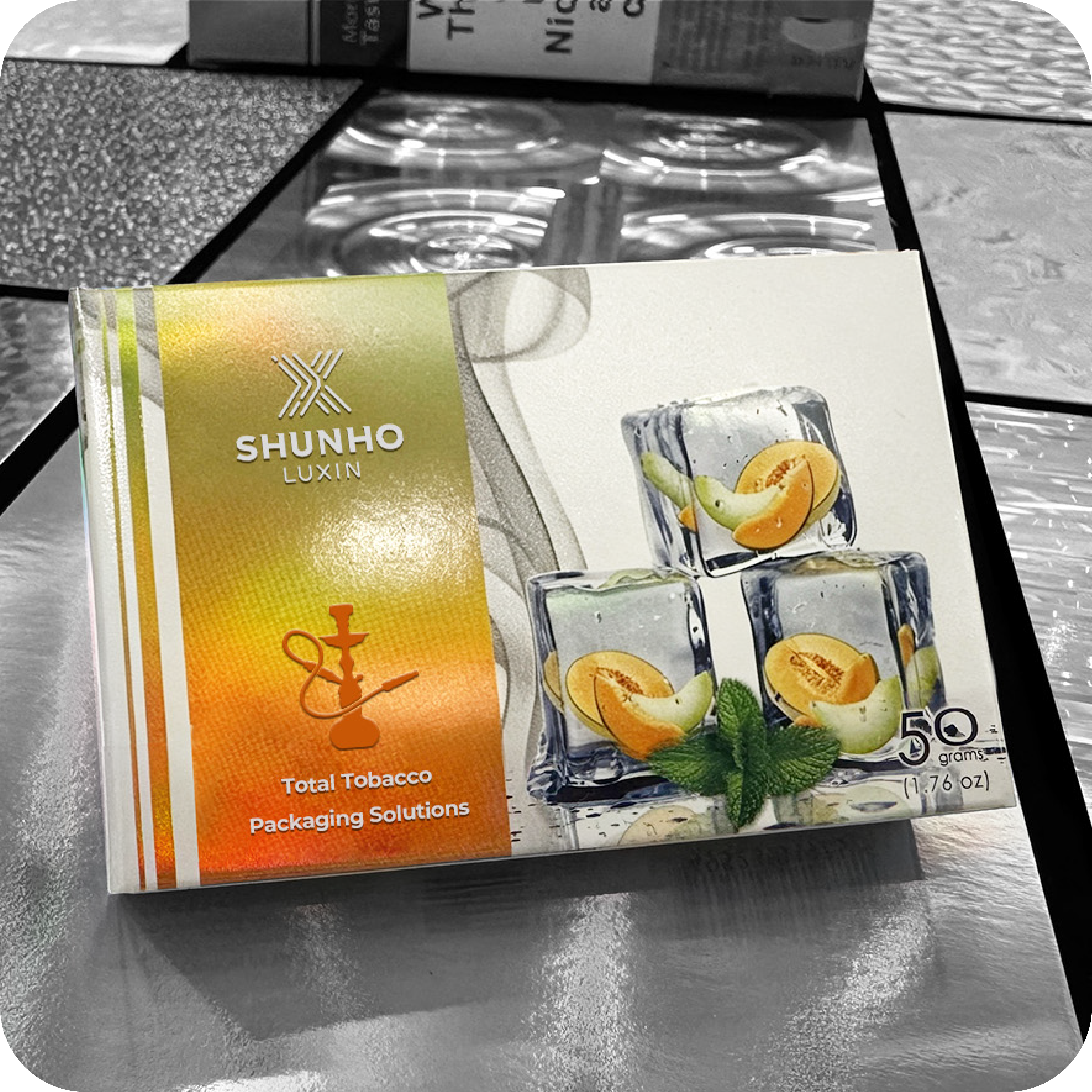
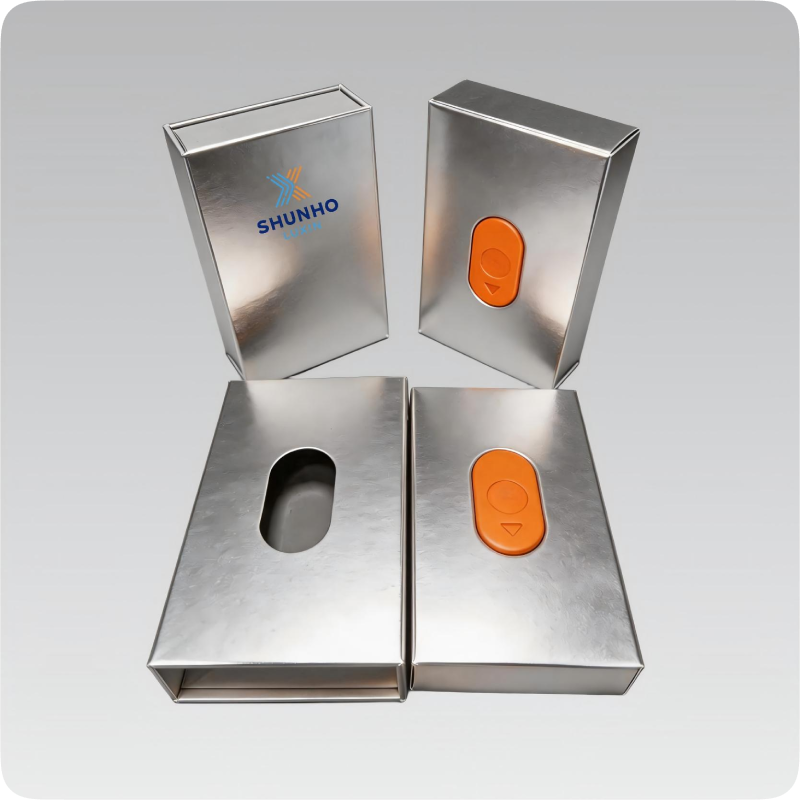
In this high-stakes shift toward sustainability, TransMet® technology (Film-Free Metallized Board) is emerging as the definitive breakthrough for major multinational brands.It completely dismantles the old compromise between "sustainable" and "luxurious." By completely eliminating the plastic film layer, TransMet® transfers a flawless, mirror-like gloss and intricate anti-counterfeiting optical patterns directly onto the paperboard substrate.
The business advantages are twofold:
Zero Aesthetic Compromise: The brand's signature metallic brilliance, color depth, and premium tactility remain fully intact.
True Circularity: Without the plastic film barrier, the package can be easily repulped and recycled seamlessly within standard paper streams, ensuring full compliance with PPWR and global ESG targets.
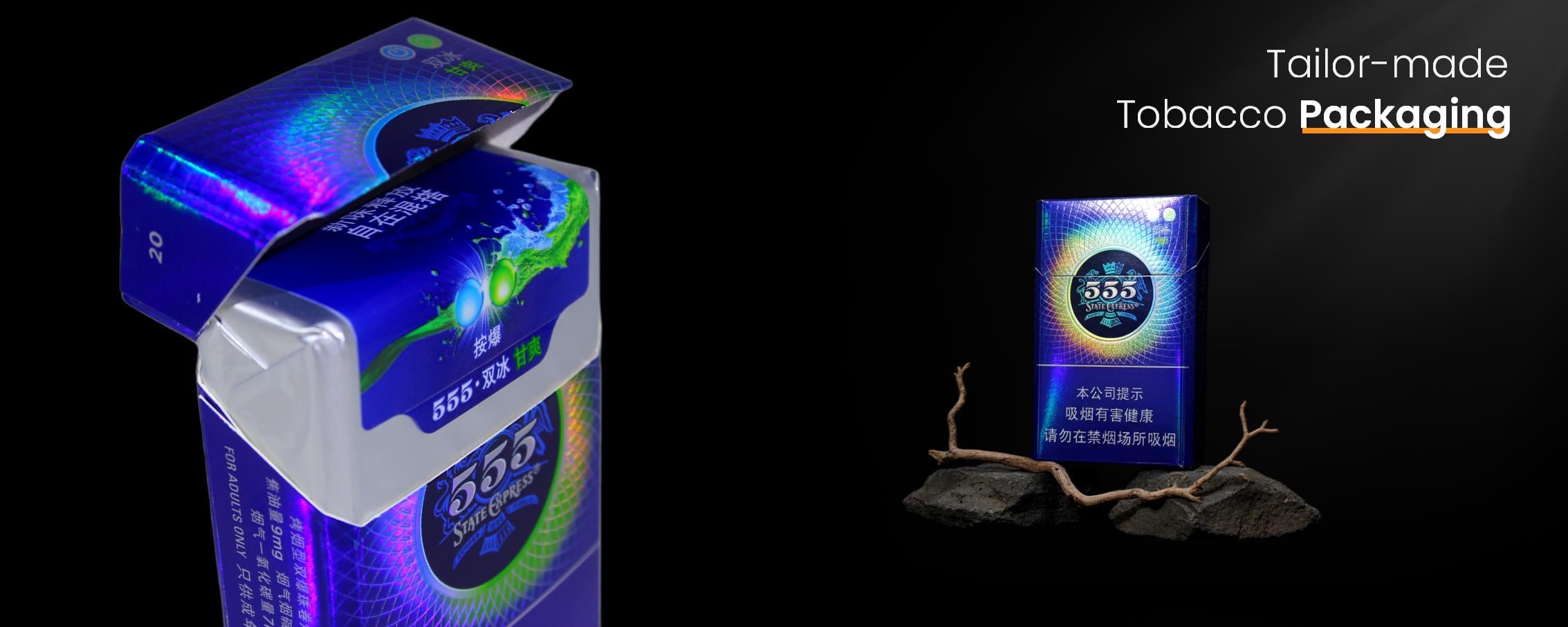
IV. Bridging the Gap: From Laboratory Sample to Mass-Production Stability
In the B2B world, sustainability means nothing without scale. A beautiful laboratory sample is useless if it cannot survive the harsh realities of a high-speed industrial supply chain.When multinational enterprises evaluate alternative materials, their primary concerns are operational friction: Will the new material slow down packaging lines? Will the edges crack under high pressure? Can the exact brand colors be guaranteed across millions of units?
The true barrier to entry for TransMet® lies in its meticulous engineering for mass-production stability:
High-Speed Machine Compatibility: It is designed to run seamlessly on existing ultra-high-speed packing lines, eliminating the need for brands to reinvest in entirely new machinery.
Superior Structural Integrity: It maintains the rigid structure, crisp edges, and flawless foldability required for premium cartons—ensuring products like high-end tobacco, spirits, and cosmetics look immaculate even after long-distance global shipping.
Uncompromising Color Precision: It delivers rigorous color consistency across massive, high-density production runs, ensuring that a brand's unique visual signature never wavers.
Conclusion: An Inevitable Future
The future of luxury packaging isn't plastic.
From the maritime metal tins of 1896 to the film-free technologies of today, the tools of the trade inevitably evolve. Yet, the core tenets of luxury remain unchanged: an unwavering commitment to flawless aesthetics and a profound sense of responsibility to the world.
By adopting TransMet® technology, legacy brands do not have to choose between their past and our future. They can secure their visual heritage while leading the charge into a compliant, sustainable, and unforgettable tomorrow.
Secure your brand. Become iconic.

 EN
EN